



Are you eager to learn how chemistry can contribute to a more sustainable future? How chemistry is essential to the energy, resource and material transition? Or how your ideas and creativity can translate to sustainable, safe and circular processes? In the Master Sustainable and Circular Chemistry at Utrecht University you study chemical processes in the broader context of health, environment, and society to create a more sustainable and circular future.
Our society is facing major transitions in using energy, resources and materials. These transitions will lead us towards a more sustainable society relying on circular product chains. This two-year programme will provide you with the skills and knowledge to help create a better future.
Making the Difference: Redesigning chemistry for a sustainable future
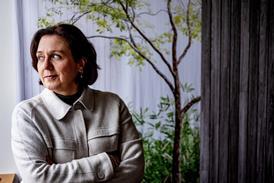
“In the past, resources were thought to be abundant, meaning that our material well-being was primarily dependent on our ability to efficiently harvest and transform them. However, we are now confronted with the fact that our planet has finite resources and a limited capacity to absorb our various waste streams. Therefore, society needs us to incorporate new dimensions in our thinking. Not only do chemicals need tailored properties, but they should be produced, consumed, and disposed of in a sustainable way. Even better, current waste streams may become useful raw materials in a more and more circular economy.” says our programme director dr. Marc-Etienne Moret. These transitions cannot be solved by chemists alone.
“One of my motivations for studying chemistry was to be able to contribute to sustainable research” is what we hear a lot from chemistry students and alumni. With this programme, we aim to train the chemists of the future, who are able to contribute to broader sustainability issues with a strong molecular chemistry basis and a broadened view on the more systemic challenges of sustainability. This is highly appreciated by our students: “What I really like about this master’s programme is that the mandatory courses have a lot of group projects, this way you come in contact with all your colleague students.”
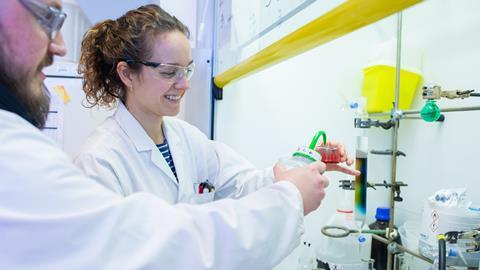
Our courses offer a strong foundation in chemistry and encourage you to develop a ‘systems thinking mindset’ and apply this to the design of new, safer chemical products and synthesis routes. You will have the possibility to design a tailored and flexible study programme to fit your interests. This skillset will allow you to make an impactful contribution to the transitions towards a more sustainable and circular society in a multidisciplinary environment in both academia and industry.
Find us during the Next Step Master Day on 10th of February or the Master Open Day of Utrecht University on 30th of January! For more information visit the website.