




As of 1 September 2026, the HAN master program Molecular Life Sciences will be renamed Applied Molecular Sciences. In addition, the program will soon include two tracks: Molecular Life Sciences and Chemistry, both full-time and part-time.
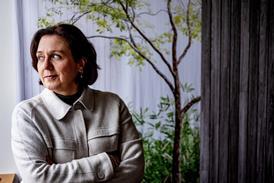
“The new name needs to cover both tracks, hence the change,” explains Andrea Thiele, coordinator of the Molecular Life Sciences track. “In addition, the master previously had the same name as those offered at universities, which didn’t reflect its different focus. A university master centers on fundamental scientific research, while a university of applied sciences emphasizes applied science. That’s why the word ‘applied’ is now included in the name.”
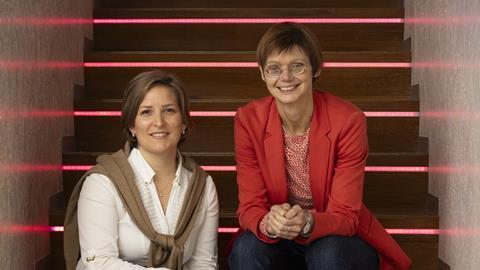
HAN launched the Molecular Life Sciences master program in its current form in 2016. It’s a degree program at the same academic level as a university master, but with a different focus. “At a university, you study full-time and conduct fundamental scientific research on a specific topic”, explains Lily Gustini, coordinator of the Chemistry track. Thiele adds: “At a university of applied sciences, a master focuses on not only on scientific skills but also on the professional skills needed to advance within a company.”
In the full-time, two-year program, students typically spend one day per week in classes at HAN, one day on self-study, and three days working as an intern within a company. HAN maintains partnerships with various organizations for internships, but students may also arrange their own placements. For those already employed, there is a part-time option. These students combine the program’s theoretical components with learning in their own workplace.
“So it’s not necessarily required to live close to HAN”, Thiele says. “You do need to come to Nijmegen several times, because we believe it’s important that you’re part of the HAN community, build a network, and share challenges with fellow students.” But, she adds, the program can be flexible. “For example, we’ve already had several employees from Roche, a large pharmaceutical company based in Basel, as students. In such cases, students are regularly given the flexibility to participate in educational activities online.”
to the success of the master, there has long been a desire to offer bachelor students in Chemistry a suitable master option. Hence the addition of the new track within the Applied Molecular Sciences master program. Gustini: “We’re now ready for that at HAN. Moreover, the business community has expressed a need for graduates from our master program.”
Alongside the new Chemistry track, the Molecular Life Sciences track will continue. It has been refreshed in both format and content this academic year to stay aligned with current professional practice. For example, there is now greater emphasis on data analytics and AI. “This makes it more aligned across the entire scope of the Life Sciences sector. Previously, the focus was mainly on the medical field, but the master is also suitable for companies working in areas such as plant biotechnology or biobased innovations.”
The master program is open to several groups: bachelor graduates from universities and universities of applied sciences, international students and working professionals. “Practical experience is essential,” Thiele emphasizes. That’s what students need to progress to the master level and become professionals capable of taking responsibility for research projects in practice, both scientifically and in terms of project management.
Questions about the master and new tracks? Send an email to master.mls@han.nl or master.chemistry@han.nl.
Editor: Julian Droog
Photo: Manouk Giesen