
International – Pagina 9
-
 International
HPLC2025: The Merits and Pitfalls of AI
From 15 to 19 June, analytical chemists will be celebrating in Bruges at the 54th International Symposium on High Performance Liquid Phase Separations and Related Techniques (HPLC 2025), which will bring together academics and industry professionals for an engaging and interactive programme.
-
 International
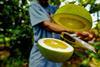
Fruity, Fatty, Piggy Patty
Meat products are very complex due to their variety of textures and flavours. Imitating it is a challenge. In ACS Food Science & Technology, researchers from China have published the first major step towards imitating pork fat using pomelo peel.
-
 International
Cutting language support is cutting the future of the Dutch research landscape
Isabelle Kohler contemplates how local decisions, like cutting language support, risk undermining national goals for integration and long-term talent retention. She calls on institutions and policymakers to invest in those people already committed to building their careers in the Netherlands.
-
 International
HPLC2025: not your typical conference
From 15 to 19 June, analytical chemists will be celebrating in Bruges at the 54th International Symposium on High Performance Liquid Phase Separations and Related Techniques (HPLC 2025), which will bring together academics and industry professionals for an engaging and interactive programme.
-
 International
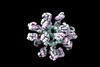
Creating nanoparticles from the outside in
A ring-shaped molecule now makes it possible to control the self-assembly of nanoparticles from the outside, according to an Amsterdam-based group writing in Nature Chemistry.
-
 International
World Metrology Day 2025
Today, we are celebrating both UNESCO World Metrology Day and the 150th anniversary of the Metre Convention. But what does that have to do with chemistry?
-
 International
Gripping the green
When talking about better equipment for golf, probably the clubs first come to mind. But as it turns out, also the balls allow all kinds of tweaking. Including a new type of coating that really puts the player’s qualities to the test.
-
 International
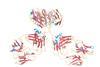
Small group of personalised antibodies in immune system much more stable than previously thought
It appears that a small group of antibodies dominates and personalises the entire repertoire of the immune system. Researchers at Utrecht University discovered that these antibodies remain virtually unchanged in composition and quantity, even after vaccinations.
-
 International
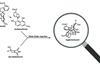
Intermolecular Diels-Alder is last step in super complex natural product
A close collaboration between teams from the universities of Leiden and Groningen succeeded in the total synthesis of the very complex molecule lugdunomycin and clarified its biosynthetic pathway, which included an intermolecular Diels-Alder reaction.
-
 International
Is there a real-world gap in PhD training?
Isabelle Kohler highlights the disconnect between academic training and real-world readiness. She calls for a systemic shift to better equip early-career scientists for a job market that extends far beyond academia.
-
 International
ChatGPT
After a reviewer carelessly left a ‘please let me know if you’d like some other questions!’, Sjoerd Rijpkema knew they had used ChatGPT for the reviewing process.
-
 International
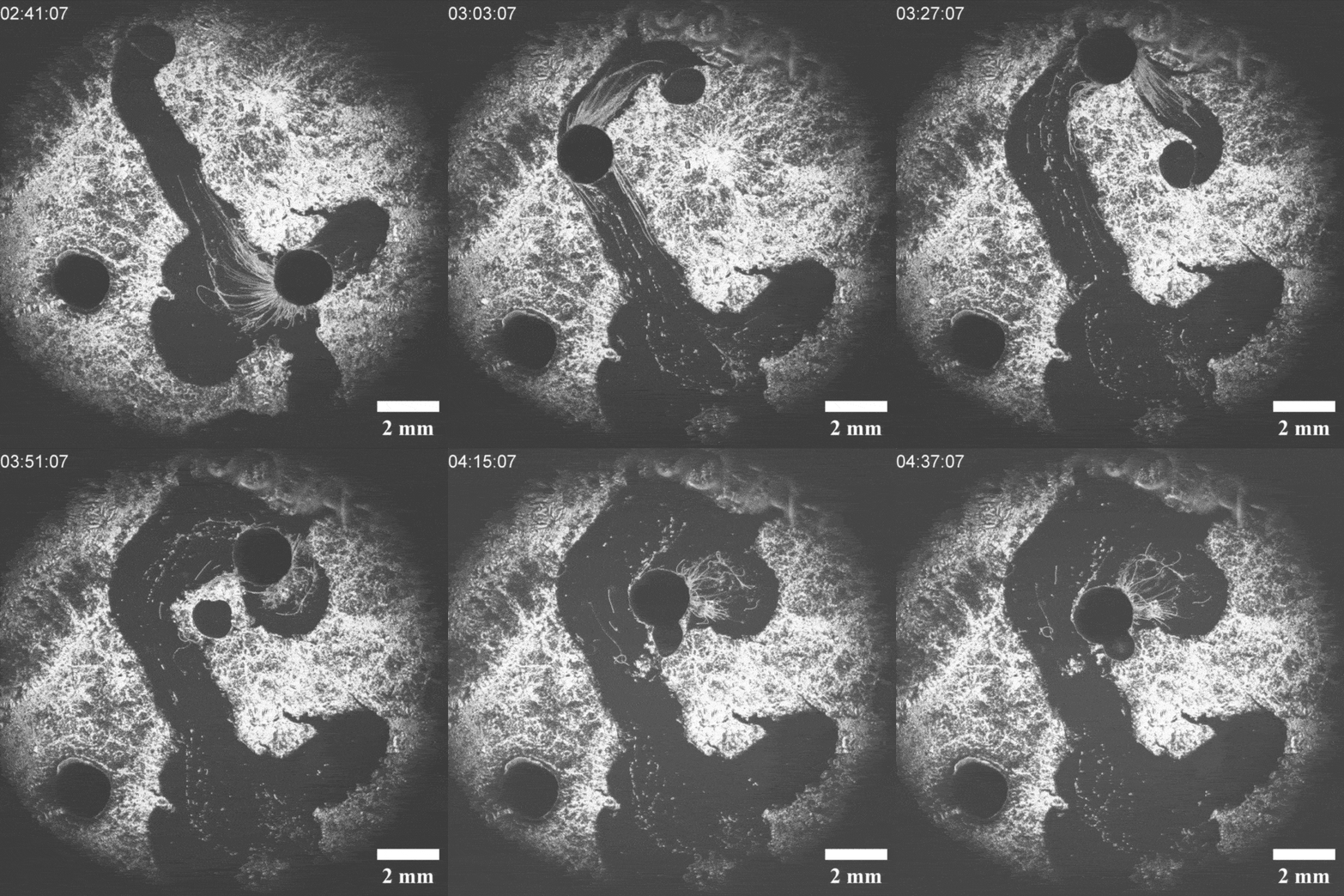
Predator: the final droplet hunt
It was a hit on LinkedIn: a moving droplet being chased by another droplet, which then ‘catches’ it. This experiment by Peter Korevaar’s group provides insights into physico-chemical processes that can be found in everyday life.
-
 International
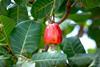
Burgers from cashew waste
Food products in the supermarket often leave a big trail of waste. This is certainly the case with the cashew nut. In ACS Food Science & Technology, researchers from Colombia have come up with a solution: plant-based burgers made from the cashew apple.
-
 International
Awareness dawned in Botswana
Scientist Marthe Wens (32) is active in Scientist Rebellion. She learned to protest step by step. ‘At first, I watched from the sidelines until I was ready to take action myself.’
-
 International
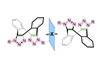
A chirality with a nice ring to it
An international team has discovered that an eight-membered ring has a previously overlooked potential for chirality. Its surprising robustness opens up interesting applications, they report in ChemPhotoChem.
-
 International
Nasty nematodes
Tiny worms are already causing havoc among beech in North-America. New research shows that also European beech is susceptible to this invasive pest, raising concerns for the health of European forests.
-
 International
0.0, yet full of flavour
Alcohol-free beer still needs improvement in taste. Scott Lafontaine’s research in ACS Food Science & Technology looks at alternative yeasts that can be used to brew tastier beers.
-
 International
Women in science: still invisible, even in space
Isabelle Kohler reflects on the recent all-female space flight and the media’s focus on celebrities over scientists. She shares actionable steps researchers can take to foster a more inclusive and equitable academic culture.
-
 International
Dutch biotech enters clinical phase
Nijmegen-based Tagworks has passed the investigational new drug (IND) review by the US Food and Drug Administration (FDA) for its antibody-drug conjugate TGW101. A Phase 1 clinical trial is now being initiated in the US.
-
 International
Une nouvelle approche de la photocatalyse
Les réactions photocatalytiques sont un sujet d’actualité, mais passer de l’échelle du laboratoire à l’échelle industrielle reste un défi. Le consortium PhotoScale concevra un photoréacteur à disque rotatif qui permettra de réaliser des réactions photocatalytiques intéressantes sur le plan pharmaceutique à une échelle relativement grande.